
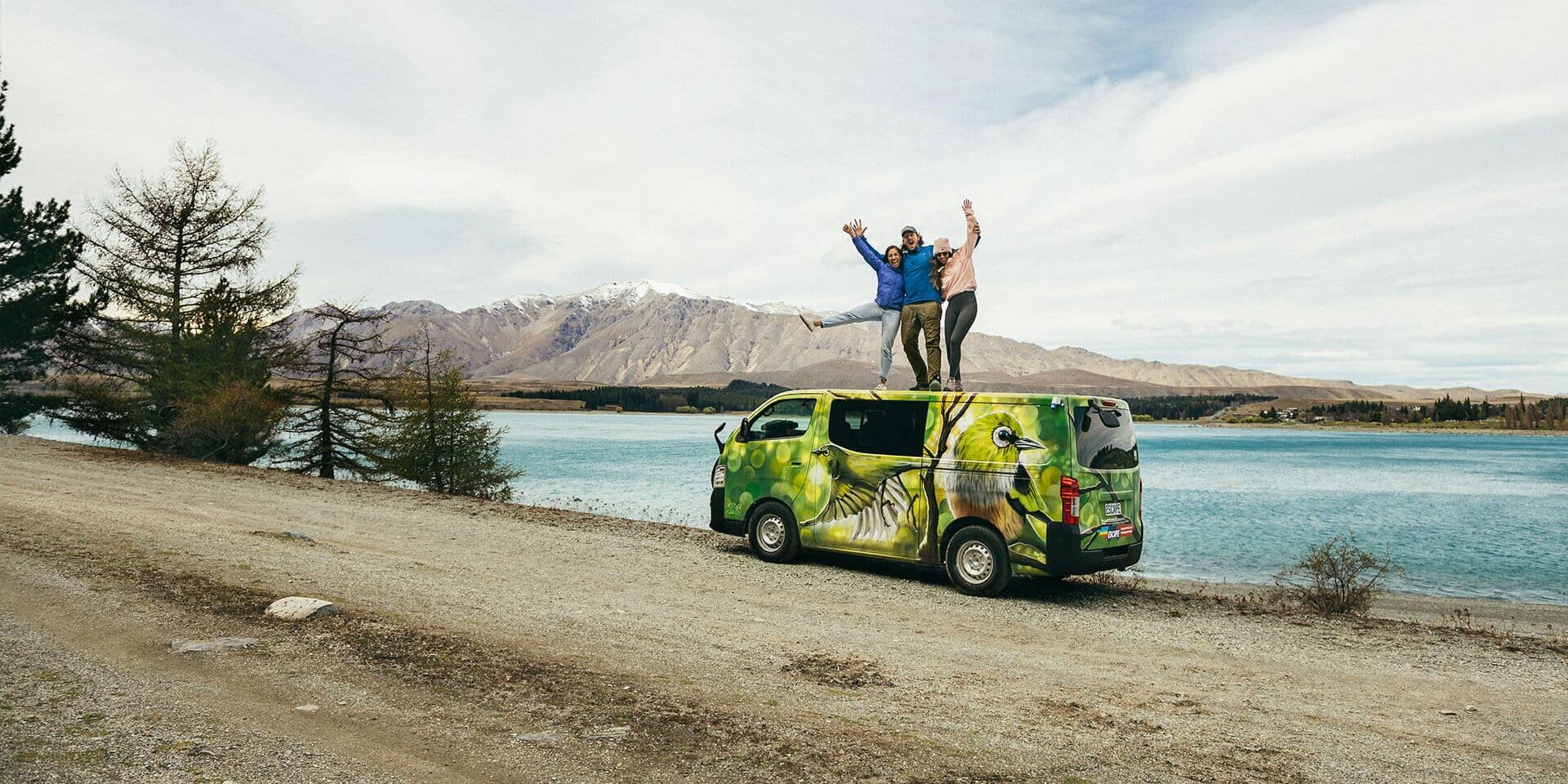
New Zealand is a year-round road trip destination, but the time of year you visit completely shifts the experience. Picking your dates will all come down to the type of holiday you want.
To help you narrow down your timing, we’ve broken down how daylight hours, weather patterns, campervan availability, and overall crowd levels stack up across all four seasons.
Seasonal Breakdown – What to Expect
New Zealand’s seasons run opposite to the UK, with summer from December to February and winter from June to August. Here’s what that means for a campervan trip throughout the year.
Summer: December to February
Best for: Warm weather, beaches, long days and the classic Kiwi road trip.
A summer road trip in New Zealand means swapping short, dark days at home for long evenings, warmer weather and a very different Christmas that could involve a campsite, barbecue and trip to the beach.
With more daylight to work with, you can take your time between stops, fitting in walks, swims and scenic detours without having to rush to your next campsite before dark.
It’s also the season to make the most of New Zealand’s beaches. Northland, the Coromandel, Bay of Plenty, Abel Tasman and the Marlborough Sounds are just some of the coastal areas that are worth visiting during the warmer months.
The trade-off is that summer is also New Zealand’s campervan season, which means it’s the busiest and most expensive time to travel. UK Christmas school holidays overlap with New Zealand’s main summer break, so campervans book out earlier and popular campsites fill up quickly.
💡Tip: If you have flexibility, consider travelling later in summer. February still brings warm weather and long days, but you’ll be past the main Christmas and New Year holiday rush.
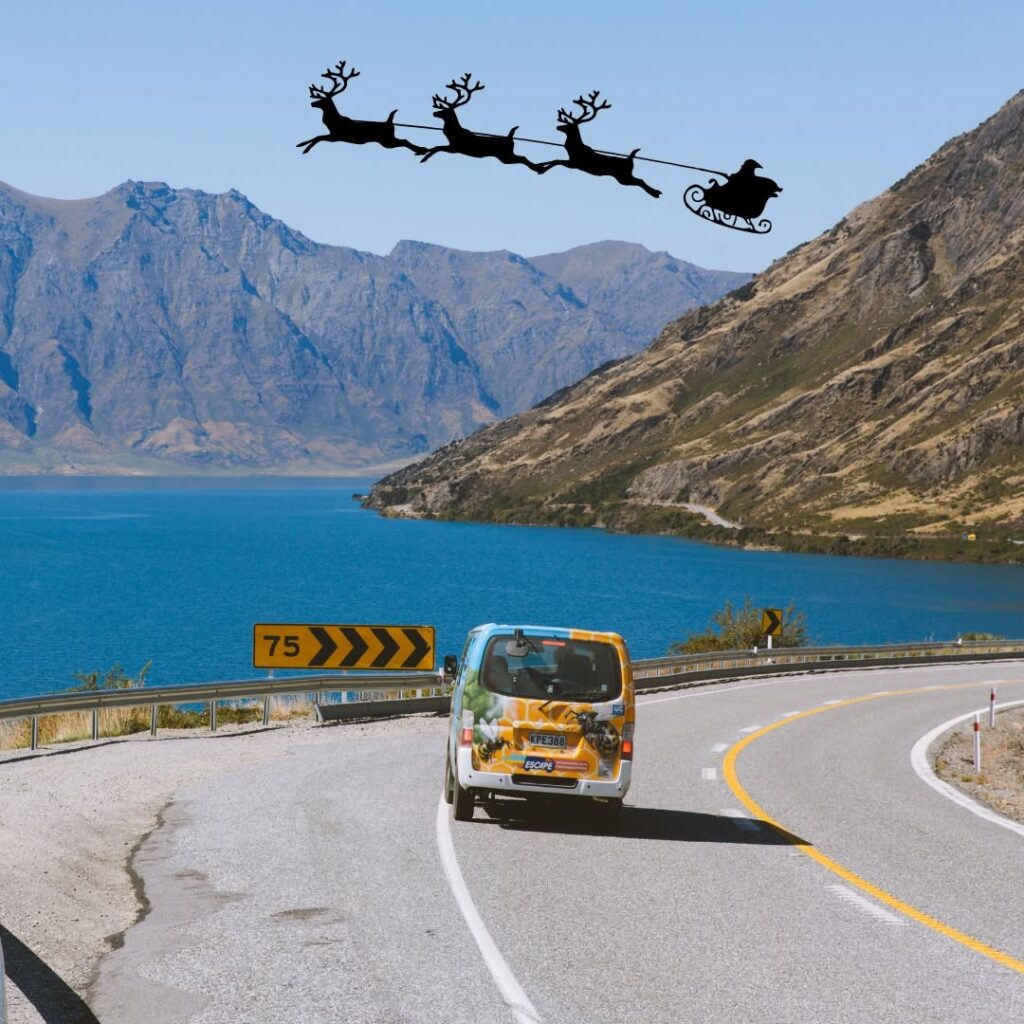
Just your average summer road trip in New Zealand.
Autumn: March to May
Best for: A quieter, slower-paced campervan experience with milder weather
March and early autumn can still bring warm, settled days, making it possible to enjoy beaches, walks and plenty of time outdoors. At the same time, roads, attractions and campsites generally start to quieten down, giving you more flexibility as you travel.
Parts of the South Island are particularly known for autumn colour, including Central Otago, Queenstown and Wānaka. This gives the landscape a completely different feel from summer.
Just keep in mind that early and late autumn can feel significantly different. March can still feel relatively summery, while by May colder nights and wintry conditions become more likely, particularly in the South Island and alpine areas. If you’re travelling later in the season, pack for colder conditions and check road and weather forecasts as you go.
💡 Tip: Keep an eye on Easter dates. Even though autumn is generally quieter, popular destinations and campsites can get busier over the long holiday weekend.

Settle in and enjoy the quieter side of New Zealand in autumn.
Winter: June to August
Best for: Skiing, dramatic snowy scenery, and off-peak travel during the UK summer.
Travelling during the UK summer puts you right in the middle of New Zealand winter. If snowy mountains and alpine adventures appeal more than beaches, it can be a spectacular time to hit the road.
The Southern Alps take on a completely different look under snow, with areas around Queenstown, Wānaka, Aoraki/Mount Cook and the Mackenzie Country offering some seriously impressive winter scenery. It’s also the obvious season if skiing or snowboarding is part of your plans.
Winter does require a bit more planning on the road. Days are shorter, cold nights are part of the deal and snow or ice can affect South Island alpine routes. Some campsites and seasonal attractions may also close or operate reduced hours. On the plus side, areas away from the main ski destinations can be much quieter and campervan demand is generally lower than during summer.
💡 Tip: Cold nights are part of travelling New Zealand at this time of year, so come prepared with plenty of warm layers and bedding. See our tips for staying warm in your campervan for more ways to stay comfortable overnight.
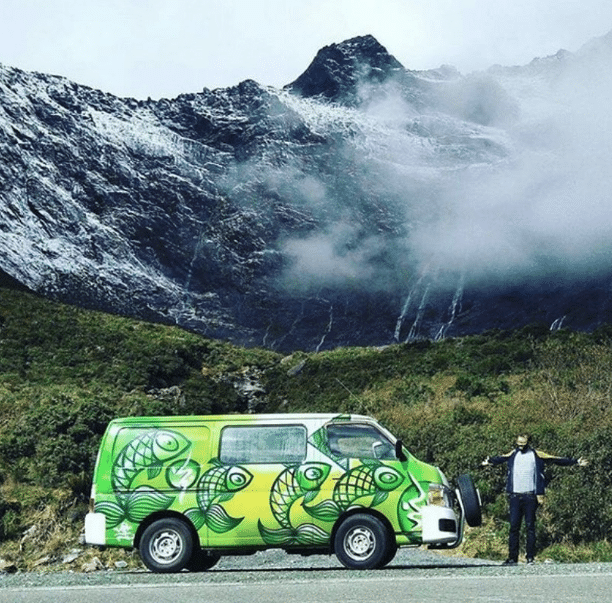
A taste of New Zealand’s dramatic alpine scenery from the road.
Spring: September to November
Best for: Fresh scenery, fewer crowds and beating the December price hike.
Spring in New Zealand brings greener landscapes, longer days and the first signs that summer is on its way, while still sitting outside the main peak season.
You’ll see blossom and fresh spring growth across the countryside, often with snow still sitting on the mountains in the background. As the season progresses, temperatures rise and daylight increases, giving you more time to get out and explore.
It can also be a good time for travellers who want to get ahead of the summer crowds. Campervan demand starts building as December approaches, making November an appealing option if you want warmer, longer days without travelling over the Christmas and New Year peak.
Tip: Spring weather is famously four seasons in one day, like an unpredictable British April, so pack a bit of everything if you’re travelling during this period.
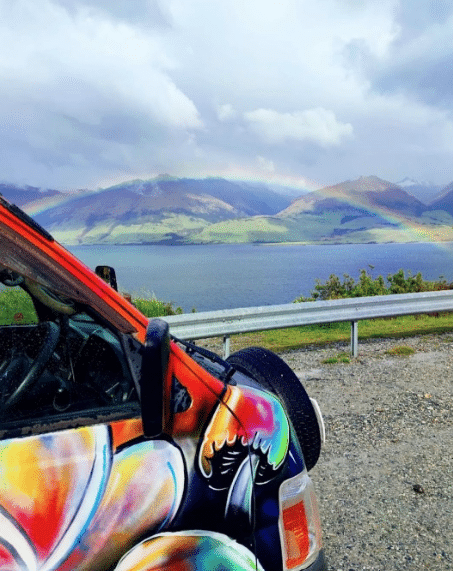
Four seasons in one day can have its perks.
Matching timing to your route
The seasons can also feel quite different depending on where your road trip takes you. New Zealand’s geography means the North and South Islands shift in landscape and driving conditions right throughout the year.
The North Island stays milder year-round. The South Island has greater seasonal extremes, but that’s also part of its appeal.
Best time to visit the North Island: November to April is a great window if warmer weather, beaches and coastal road trips are the priority.
Best time to visit the South Island: Visit between December to February for warmer weather and maximum daylight, and choose March to April for milder temperatures and fewer crowds during the shoulder season.
Make the most of your time in New Zealand
Whatever time of year you head over, New Zealand’s amazing landscapes are always worth flying over for.
Of course, having a comfortable home on the road makes all the difference. Explore our range of campervans for hire to see what fits your trip, and start bringing those NZ plans to life.